


Blog · Buyer guide
What is a composite paper can made of? Body, liner and ends explained
The parts of a composite paper can, from paperboard body and inner liner to ends and closures, and how your product decides which options you need.
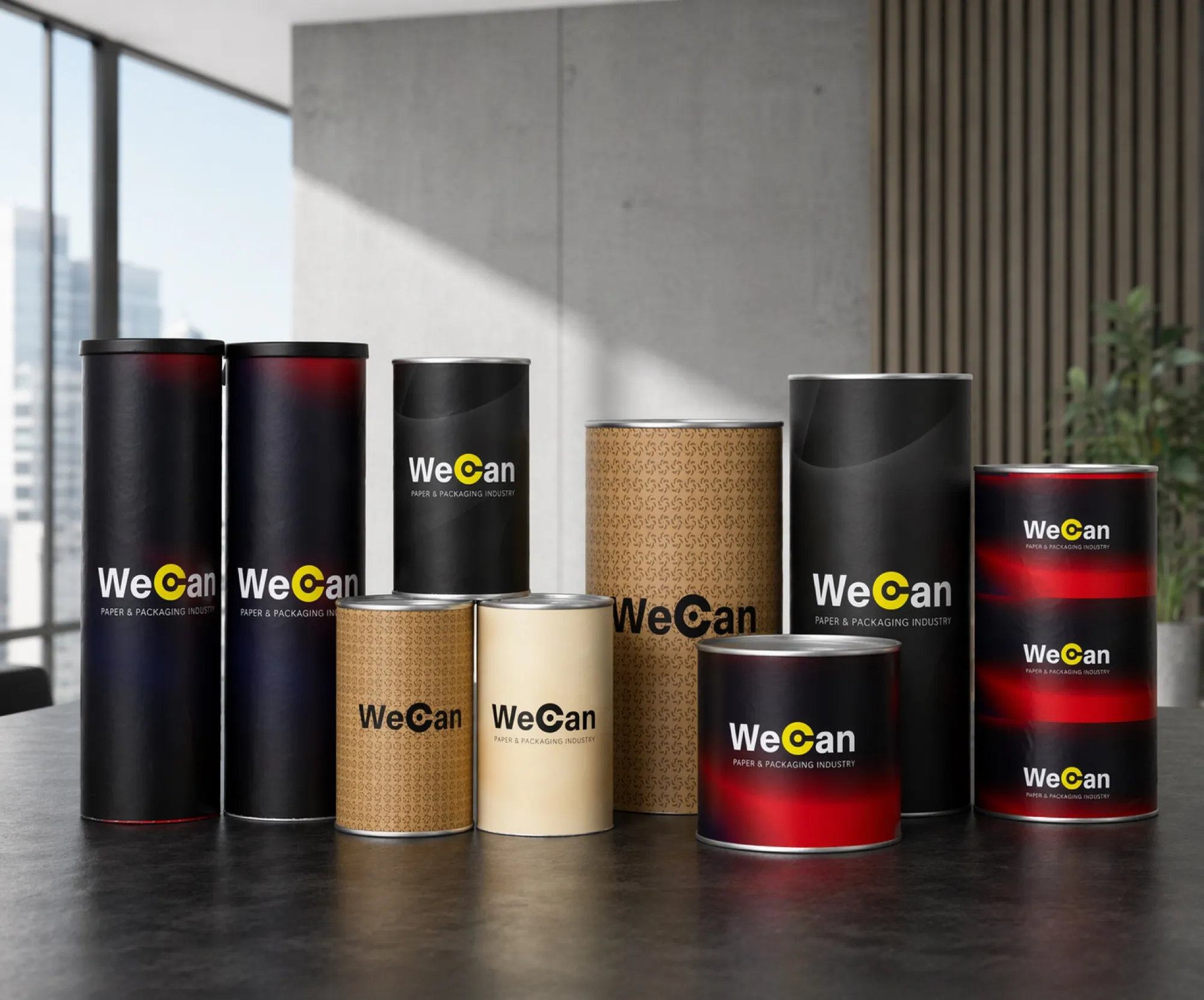
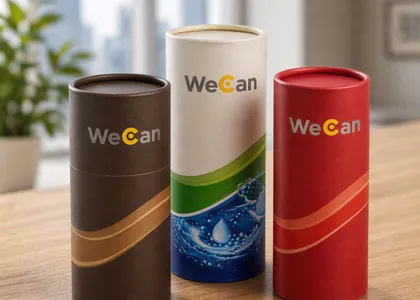
From the outside, a composite paper can looks like one piece. In reality it is an assembly of parts, and each one is chosen for the product inside. Understanding those parts makes it much easier to brief a supplier and to compare quotes on a like-for-like basis.
The body
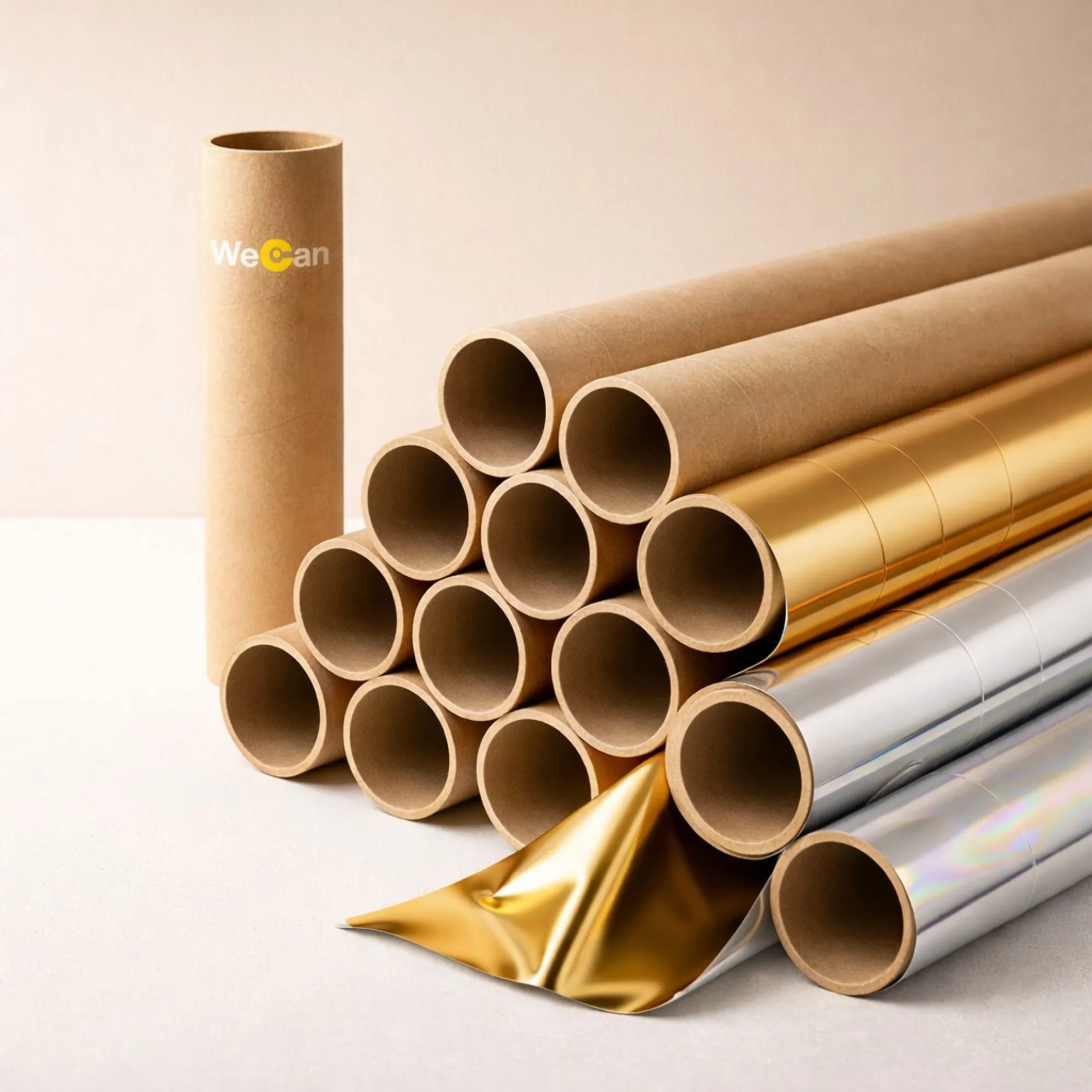
The body is a tube of paperboard built up in layers. The number and weight of those layers set the wall strength, which needs to match the product weight, how the cans are stacked on pallets and how roughly they are handled in distribution.
The body also sets the two dimensions that matter most: the inner diameter, which decides what fits inside, and the height. Our current range for composite cans is 52–150 mm inner diameter, with height developed around each product.
The inner liner
The liner is the surface your product touches, and it does most of the work on protection. Common liner types across the industry include:
- Plain or coated paper for dry products that are not sensitive to humidity.
- Foil or film laminates where the product needs more resistance to moisture, aroma loss or oil.
Which liners a manufacturer can offer varies, so ask your supplier what is available and which they recommend for your specific product. A liner chosen on price alone is the most common cause of a pack that performs well in sampling and badly on the shelf.
The outer finish
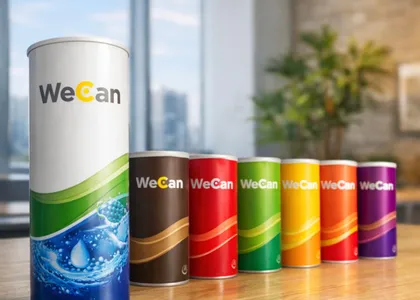
The outside is usually a printed label wrapped around the full height of the body. That continuous surface is one of the main reasons brands choose a cylinder: there is room for branding, product information, instructions and, in GCC markets, text in more than one language.
The bottom end
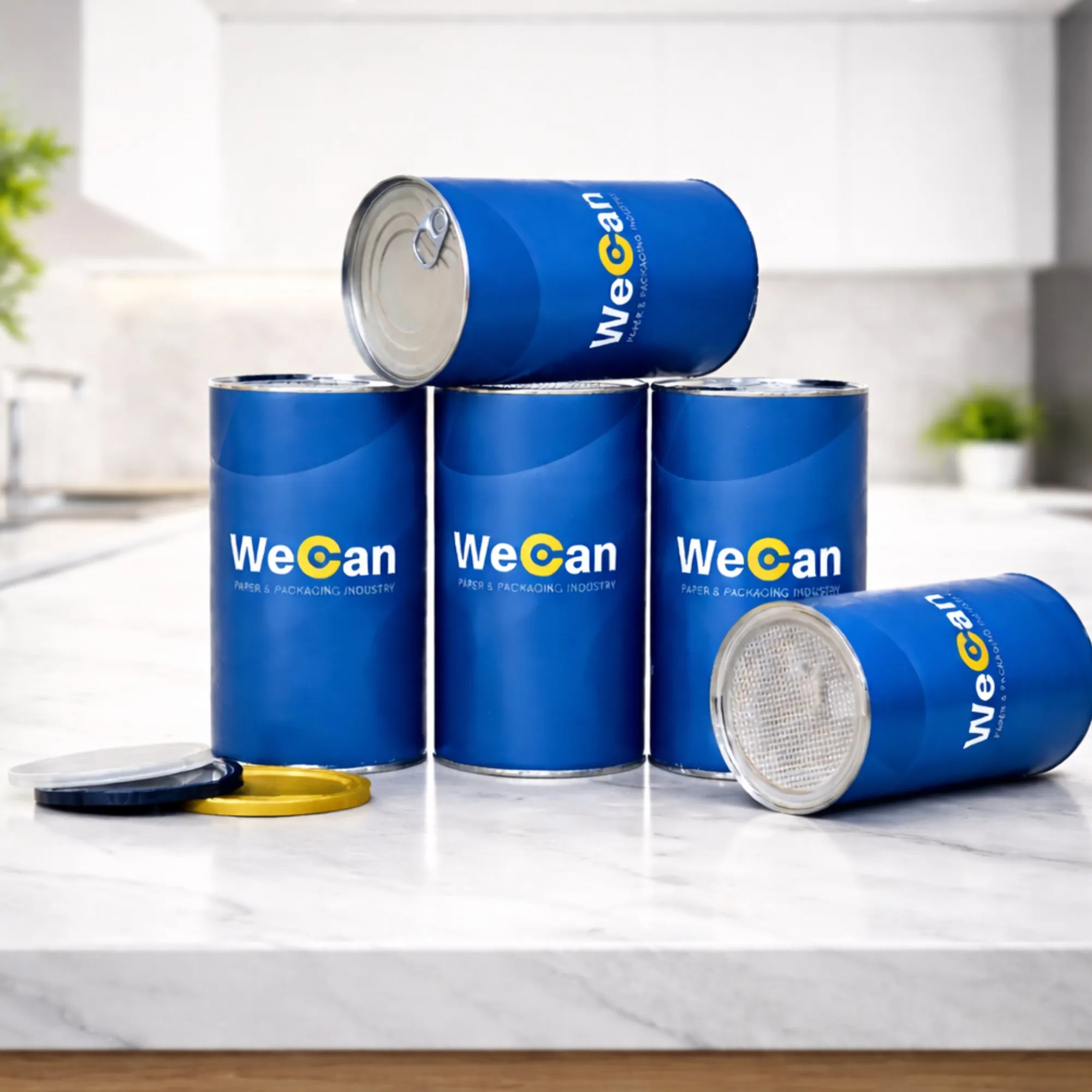
The bottom is fixed during manufacture or filling, depending on how the can is filled. Bottom ends can be made from different materials, including metal, paperboard and plastic. The right choice depends on the product weight, the filling method and the look you want.
The top and closure
The top end is where the customer meets the pack, so it is chosen around how the product is used:
- a sealed membrane for freshness until first opening,
- a reclosable lid or overcap for products used over several weeks,
- a sifter or shaker for spices and seasonings,
- the twist-open, reclosable lid of a curling can, which suits premium and repeat-use products.
How your product drives the choices
| If your product is… | Pay most attention to… |
|---|---|
| Dry and not humidity-sensitive | Body strength and print quality; a simpler liner may be enough |
| Moisture- or aroma-sensitive | Liner barrier and how well the closure reseals |
| Oily or greasy | A liner suited to oil contact; test with real product |
| Heavy or dense | Wall build-up and bottom end strength |
| Used a little at a time | A closure that reseals reliably between uses |
Four mistakes to avoid when briefing a supplier
- Giving the outside diameter instead of the inner diameter. The ID decides what fits; the OD includes the wall.
- Skipping a test with your real product. Sample cans should be filled, closed and stored the way they will be in the market.
- Forgetting the filling line. The can has to run on your equipment, not just hold the product.
- Asking “is it recyclable?” without the full build. The answer depends on the combined liner, body and ends, and on local recycling routes.
Next step
Not sure which construction suits your product? Use the size finder to check your diameter, then send us your product, size and quantity through the quote form. We will recommend a build to sample.